
Elevating digital images through professional photo printing
A photograph comes alive when transferred from pixels to a specialty paper or substrate. This transition from screen to archival pigment requires mastering resolution, color space calibration, and careful material selection.

Capturing the perfect source image for print
The journey to a fine art print begins before the printer. It starts with the camera capturing maximum data in RAW format, preserving the full dynamic range and color depth necessary for large-format printing.
Composition and lighting are crucial, but technical image quality is paramount. A blurry source file or one with digital noise cannot be rescued by advanced printing hardware.

Diverse formats for every artistic vision
Choosing the right print substrate is vital. Different materials, from lustre paper to textured canvas, interact with light, altering mood, contrast, and the perceived depth of the final artwork.
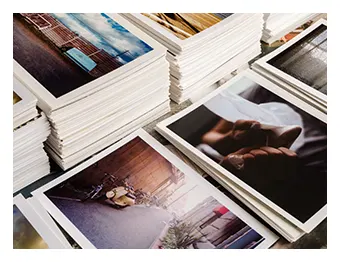
Fine art paper
Cotton-based archival papers deliver deep blacks and rich textures for gallery exhibitions.

Vibrant metal prints
Dyes infused into aluminum sheets create unmatched luminescence and proven outdoor durability.

Acrylic face-mounts
A refractive layer enhances color vibrancy and creates a modern, frameless 3D effect.
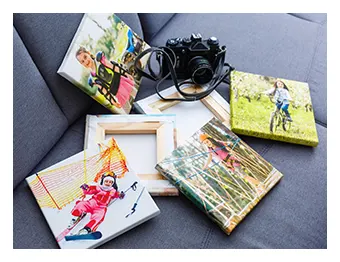
Traditional canvas prints
Its woven texture mimics painting surfaces, adding organic warmth to digital artwork.

Professional Photo Printing Technologies
Printing labs utilize complex technologies to deposit ink onto a chosen substrate. Understanding these print processes helps select the ideal method for a project’s aesthetic and longevity goals.

Pigment inkjet
Archival inks ensure print longevity and certified color stability.

Dye sublimation
Heat vaporizes solid dyes for infusion directly into the substrate.

Silver halide (C-type)
Light-sensitive paper is chemically developed for flawless tonal gradations.

UV curable printing
Instant ink curing allows printing directly on non-traditional media like wood or glass.

Giclée print standards
Governs minimum resolution, ink types, and archival paper quality.

Screenprinting
A stencil method using layered ink for high-impact graphic art reproduction.
Digital preparation and color management workflow
Before printing, a digital file undergoes rigorous soft-proofing. This on-screen simulation on a calibrated monitor predicts how ICC profiles interpret colors, allowing adjustments for out-of-gamut colors and contrast shifts.
Output sharpening, a final technical step, is distinct from creative sharpening. It compensates for ink dot gain and paper absorption, ensuring the final print retains on-screen crispness.
Essential hardware for the print studio
A professional workspace needs more than a printer. Controlled viewing stations with high CRI bulbs allow for accurate print evaluation, while guillotine cutters ensure a flawless final presentation.